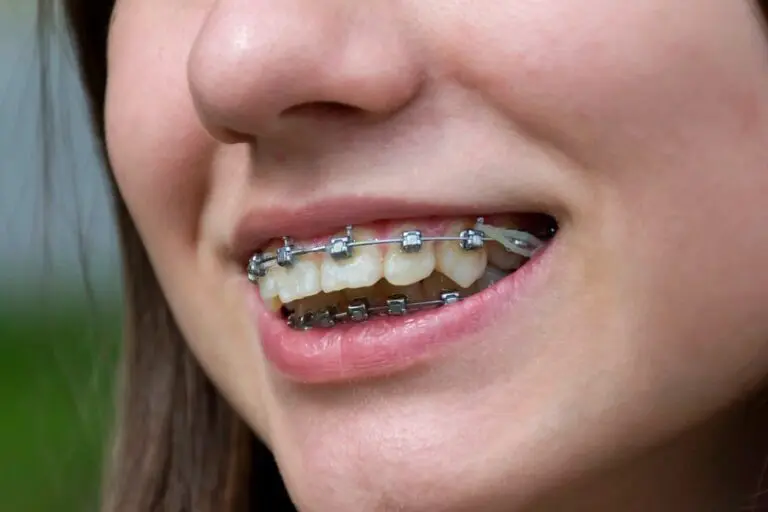

Need help learning how to floss with braces in Burtonsville, MD? Flossing is important because brackets and wires create small spaces your toothbrush can’t reach. With braces, you’ll use tools like floss threaders or a water flosser to clean between each tooth. It might feel slow at first, but it helps prevent plaque, gum irritation, and tooth decay.
Read on to find out how to floss with braces to protect your teeth with braces and what makes it easier.

Why Flossing With Braces Matters
Braces move your teeth into better alignment, but they also create many small spaces where plaque and debris can hide. Brackets and wires act like tiny shelves that trap food, especially near the gumline and between teeth. Even if you brush well, the toothbrush cannot reach every tooth surface. When plaque stays on the teeth too long, bacteria grow, which can cause red or swollen gums, gum irritation, gingivitis, tartar buildup, tooth decay, and bad breath.
Daily flossing removes this sticky film before it leads to inflammation or gum disease. It also supports your braces care routine because clean teeth move more smoothly during orthodontic treatment. Good flossing habits help your treatment stay on track and prevent delays.
Flossing Tools That Help During Braces Treatment
You can make flossing easier by using helpful tools that guide the floss around your braces. These tools help you clean under the wires, around brackets, and near the gumline.
1. Floss Threader
A floss threader is a small plastic loop. It helps you slide string floss under the wire so you can clean each tooth. Many patients use floss threaders when they first start their cleaning routine because it makes the technique easier to learn. At Bespoke Orthodontics, floss threaders are included in most braces care kits. Patients who travel or move can also look for professional smile alignment services at Limestone Hills Orthodontics with Dr. Viecilli in Austin, TX, to get clear tips and tools that fit their braces and daily needs.
2. Superfloss
Superfloss has three parts: a stiff end, a soft spongy middle, and regular floss at the end. The stiff tip slides under the archwire easily. The spongy section cleans plaque around brackets, tooth surfaces, and tight areas. This tool is helpful for people who want deeper cleaning each day.
3. Orthodontic String Floss
Some floss is made with a firm texture that makes it easier to move under wires. Orthodontic floss works well with floss threaders. It helps clean along the gum line and between teeth without shredding.
4. Interdental Brushes
Interdental brushes (also known as proxy brushes) are tiny brushes that clean small gaps between teeth. They slide smoothly around brackets, wires, and archwires. They also remove trapped food particles before they turn into bacteria or plaque buildup.
5. Water Flosser or Water Pick
A water flosser uses a gentle stream of water to wash away debris. It is also called an oral irrigator. This tool is great for people with sensitive gums or limited hand control. A water flosser helps reduce inflammation and clears the gumline area without pressure. Many patients use water flossers daily because they make cleaning faster.
Where to Buy These Tools
You can find flossing tools at most pharmacies, online stores, and dental supply shops in Burtonsville, MD. Bespoke Orthodontics also offers starter kits with floss threaders, superfloss, orthodontic floss, interdental brushes, and instructions for your oral hygiene routine.
Step-by-Step Guide: How to Floss With Braces
Flossing with braces takes a little more time, but the steps stay simple. The more you practice, the faster you will get.
Step 1: Thread the Floss
Cut about 18 inches of string floss. Place one end through your floss threader. Slide the threader under the archwire so the floss moves behind the wire. This gives you access to the small spaces between teeth and along the gumline.
Step 2: Clean Between Each Tooth
Hold the floss tight with both hands. Curve the floss in a C shape around the side of the tooth. Slide it gently up and down along the tooth surface. Move under the gumline with slow, soft pressure to avoid irritation. Repeat this step for each tooth by pulling the floss out and threading it again under the wire. With daily practice, you will be able to clean faster while still keeping good form.
Step 3: Use a Water Flosser (Optional)
If you have trouble using string floss, add a water flosser to your cleaning routine. Aim the water stream between teeth, around brackets, and along the gumline. Adjust the pressure so it feels comfortable and does not irritate your gums. Many patients use water flossers daily and add string floss a few times each week for deeper cleaning.
Step 4: Finish With Brushing
After flossing, brush your teeth with a soft brush and fluoride toothpaste. Use small circular motions around brackets and wires. Brush for two full minutes. If your gums feel sore, rinse with warm saltwater or a mild mouthwash.
Tips for Cleaning Different Types of Braces
Different braces need slightly different cleaning steps. Here are simple tips to keep each style clean.
Metal Braces
Slide floss under wires with a floss threader. Clean between each tooth so plaque does not build up. Stay consistent each day to avoid gum problems and to support your orthodontic treatment.
Clear Ceramic Braces
Ceramic brackets are more delicate. Use soft pressure when flossing around each bracket. Move slowly to avoid chipping or damaging the brackets.
Lingual Braces (Placed Behind Your Teeth)
Lingual braces can be hard to reach. Use a water pick or oral irrigator to clean tight spaces. This tool helps you maintain a complete cleaning routine with less strain.
Self-Ligating Braces
These braces have built-in clips instead of rubber ties. Floss daily to stop plaque from collecting around the clips. Good dental hygiene keeps treatment moving smoothly.
How to Manage Common Flossing Challenges
Many people face the same struggles when learning to floss with braces. Here is how to solve them:
Sensitive Gums
Your gums may feel sore in the first week. Floss gently. Rinse with warm saltwater. Use toothpaste made for gum sensitivity if needed. As Dr. Kenner Misner, a dedicated orthodontist in Tulsa, OK, says, gentle care and patience help your gums feel better as they get used to flossing.
Hard-to-Reach Spaces
Interdental brushes or water flossers help reach areas regular floss cannot. These tools remove plaque, food particles, and debris from around wires and brackets. Using them regularly makes it easier to keep your teeth and gums healthy while wearing braces.
Difficulty Handling Floss
Try floss picks designed for braces or use a water flosser. These tools make flossing faster and easier. They also help you reach tight spaces between teeth and around brackets more effectively.
Support From Bespoke Orthodontics in Burtonsville, MD
At Bespoke Orthodontics, we help each patient learn the right cleaning technique for braces. Our team teaches simple and clear steps so your daily routine feels easy.
Hands-On Lessons
We show you how to floss, brush, and clean around brackets and wires. We guide you through each step until you feel confident. With practice, maintaining your braces becomes simple and effective.
Custom Hygiene Kits
We provide floss threaders, orthodontic floss, interdental brushes, and more. These tools help you keep up with your oral hygiene routine from day one. Having the right tools ensures your teeth and gums stay healthy throughout treatment.
Clear Instructions
We give step-by-step instructions for brushing, flossing, and braces care. We explain how to protect your gums and enamel while reducing bacteria and plaque buildup. Following these instructions helps keep your smile clean and your treatment on track.
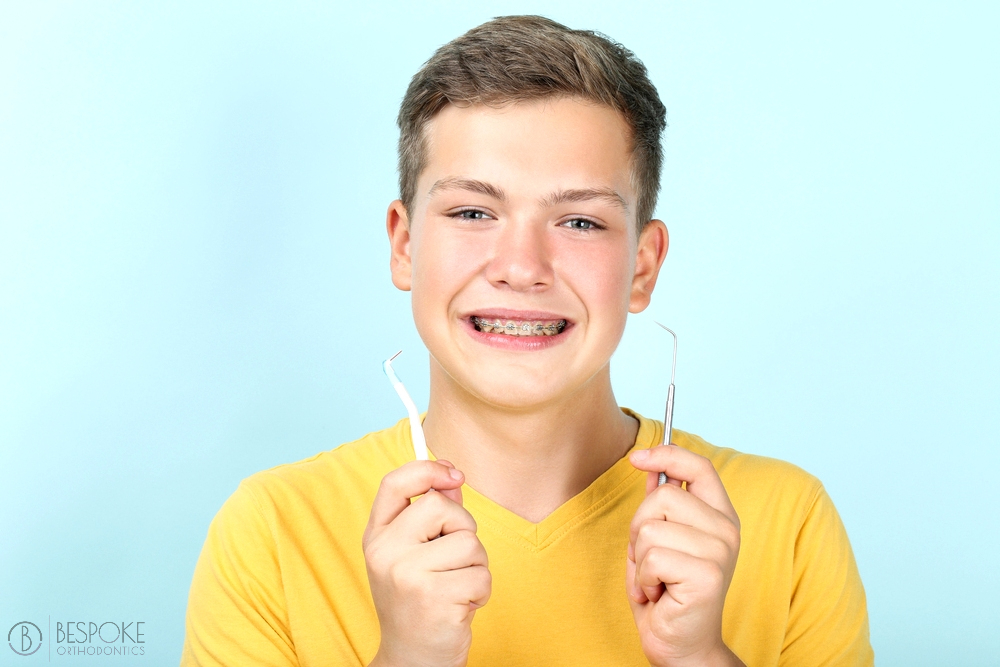
Oral Hygiene After Your Braces Come Off
When the braces are removed, your teeth will feel smoother, but your cleaning routine still matters. Experts like Dr. Jared Gianquinto, a popular orthodontist in Bakersfield, CA, stress that the habits you build during treatment, such as daily flossing and regular checkups, are just as vital once your braces come off. A good routine keeps your smile healthy.
- Wear Your Retainer: Wear it as often as your orthodontist recommends. It keeps your teeth from shifting. Consistent use helps your results last longer.
- Floss Daily: Flossing stays important even after treatment. It prevents plaque, tartar, gingivitis, and gum disease. Daily flossing keeps your smile healthy.
- Visit Your Dentist Regularly: Cleanings every six months protect your enamel and keep your smile healthy. This protects your enamel and monitors oral health. Regular checkups help keep your smile strong and healthy.
Start Your Flossing Routine Today
Flossing with braces does not need to feel hard. With the right tools, technique, and routine, you can keep your teeth and gums clean each day. If you want guidance or need help building better dental hygiene habits, contact Bespoke Orthodontics in Burtonsville, MD. Schedule your treatment today and get a strong, healthy, and bright smile throughout treatment.
About The Author
Dr. Latoya Callahan – Orthodontist in Augustine, FL
Dr. Kenner Misner – Orthodontist in Tulsa, OK
Frequently Asked Questions
Can I just brush my teeth with braces?
Brushing is important, but it isn’t enough on its own with braces. Food and plaque can get trapped around brackets and wires where your toothbrush can’t reach. You also need to floss or use other cleaning tools to keep your teeth and gums healthy.
Can I skip a day of flossing with braces?
It’s best not to skip flossing when you have braces. Plaque can build up quickly around the brackets and wires, which can cause gum irritation or cavities. If you miss a day, get back to flossing the next day to stay on track.
Is it normal to not be able to floss with braces?
Yes, it can feel tricky at first because wires and brackets make it harder to reach between teeth. Using tools like floss threaders, superfloss, or a water flosser makes it much easier. With practice, flossing with braces becomes simple and quick.