If you’re asking, “How to Fix Overbite in Burtonsville, MD?” Book a consultation at Bespoke Orthodontics. In this first visit, you get a full assessment of your teeth and bite. The doctor will study your jaw, tooth alignment, and smile. Then you get a clear treatment plan that fits your needs and goals.
An overbite is common. It means the top teeth sit too far over the bottom teeth. A small overlap is normal. Too much overlap can cause bite problems, tooth wear, and jaw pain. The good news is that modern orthodontics offers safe, proven treatment options. You can choose braces, Invisalign aligners, or other appliances. In some rare cases, jaw surgery helps. Your plan is based on your bite, your jaw structure, and your goals.
Understanding Overbites
- What it is: An overbite is when the upper teeth cover the lower teeth too much. This is a type of malocclusion, or “bad bite.”
- Signs: Crowding, gaps, chipped edges, or worn teeth. You may see a deep overlap when you smile.
- How it feels: You may have jaw pain, TMJ symptoms, or headaches. Some people have speech problems or trouble chewing certain foods. Others feel stress in the jaw joint.
Common Causes
- Genetics: The size and shape of your jaw and teeth can run in the family.
- Habits: Thumb sucking, pacifier use, or nail biting in childhood can shift teeth.
- Growth patterns: Jaw growth that is not even can lead to misalignment.
- Tooth position issues: Crowding or gaps can pull the bite out of balance.
- Mouth breathing: In some cases, this can affect jaw growth and tooth alignment.
Why Fix an Overbite?
- Health: A deep bite can raise the risk of tooth decay and gum disease. It can also wear down enamel.
- Function: Correcting your bite can improve chewing and speech. It can lower strain on the jaw joint.
- Comfort: It may reduce TMJ symptoms, jaw pain, and headaches.
- Look and feel: A balanced bite can improve appearance and self-confidence.
- Cost: Early intervention strategies can prevent bigger, more costly care later.
Your Consultation and Assessment
At Bespoke Orthodontics, your orthodontic journey starts with a kind, thorough exam. The team reviews your dental history and your goals. They check tooth alignment and your bite from all angles. They measure how your teeth fit when you close. They also assess your jaw movement and jaw structure.
Imaging and Technology
Modern imaging gives the team a precise view. This can include digital X-rays, photos, and digital scans. These tools improve precision in diagnosis and planning. As Dr. Yajun Cui, a reliable orthodontist in Arlington, MA, highlights, modern imaging helps spot hidden issues, ensuring each treatment plan is customized and effective. They help spot crossbite, underbite, overjet, and other issues. With this data, your doctor can map out your treatment options and timeline. You will see how each step aims for steady, safe results.
Your Treatment Plan
You will get a clear plan in plain language. It explains:
- The main goals for your bite and tooth alignment
- The treatment options that fit your case
- How long treatment take
- What appliances may be used
- How often will you need adjustments or check-ins
- Expected results and retention steps
Treatment Options for Overbite Correction
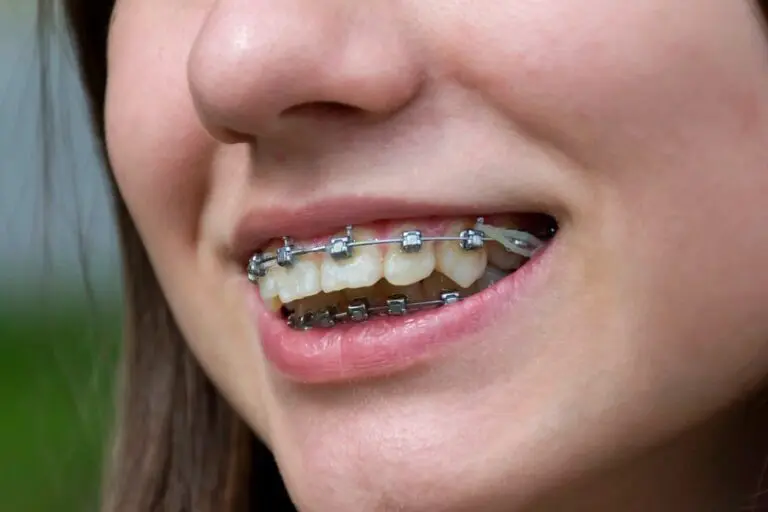
- Braces: Braces are a time‑tested way to correct misalignment and deep bites.
- How they work: Small brackets go on each tooth. Archwires connect the brackets and move teeth over time. Your doctor may add rubber bands (elastic) to guide the bite.
- Types: Metal braces are strong and cost‑effective. Clear braces use ceramic brackets that blend in more.
- Visits: You come in for regular adjustments to keep teeth moving on track.
- Care: Brush and floss with care to protect oral hygiene. This helps prevent tooth decay and gum disease around brackets.
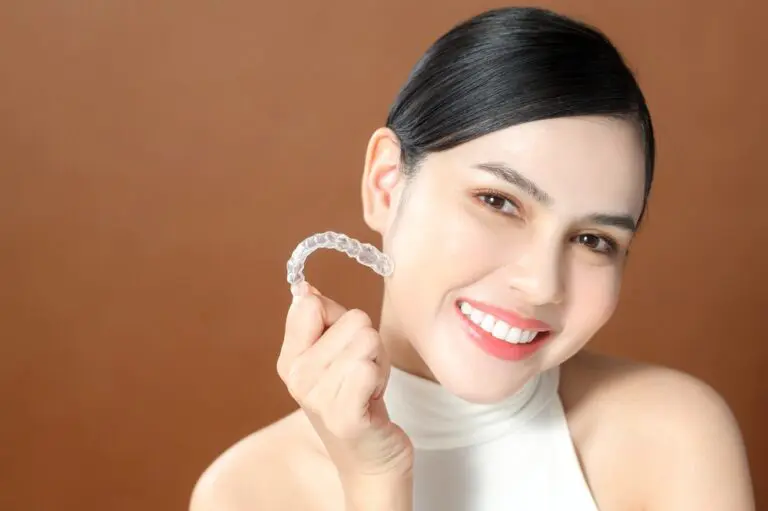
- Invisalign Aligners: Invisalign aligners are clear, removable trays that move teeth in small steps.
- Look: They are nearly invisible on teeth.
- Wear time: For best effectiveness, wear aligners 20–22 hours a day. Take them out to eat and brush.
- Comfort: Smooth edges feel gentle on cheeks and lips.
- Tracking: You switch to a new set on a set rhythm. The team checks progress and makes any needed changes.
- Good fit for: Many mild to moderate overbites and crowding. Your assessment will show if this is right for you.
- Orthodontic Appliances: Some cases benefit from extra tools to guide jaw growth or bite.
- Palatal expanders: Widen the upper jaw to create space and improve the bite.
- Bite turbos or ramps: Help open the bite to protect front teeth.
- Headgear: Can guide jaw position in select growing patients.
- Other tools: Springs, elastics, and specialty devices support precision tooth movement.
According to Dr. Laura Deyo, a highly recommended orthodontist in San Marcos, CA, the right mix of auxiliaries can shorten timelines without sacrificing accuracy.
- Surgical Care (Select Severe Cases): When jaw structure is the main cause, surgery may be the best path. This is rare and planned with great care. It repositions one or both jaws to fix the foundation of the bite. Surgery is often paired with braces or aligners for full correction.
Adult Orthodontics
Adult orthodontics is common and effective. Teeth can move at any age with healthy gums and bone. Adults often choose clear braces or aligners for a low‑profile look. Treatment can also help with TMJ symptoms tied to misalignment. Your plan will be tailored to your work and life needs.
Daily Care During Treatment
- Brushing: Brush after meals. Use floss or a water flosser to clean around brackets and archwires.
- Diet with braces: Avoid hard or sticky foods that can break brackets.
- Aligners: Rinse and brush aligners with cool water. Do not use hot water.
- Elastics: If your plan includes rubber bands, wear them as directed. This is key for bite correction.
- Comfort: Mild soreness after adjustments is normal. A soft diet and saltwater rinses can help.
Costs and Payment
The cost depends on your case and your chosen path.
- Braces: Often range from about $3,000 to $7,700.
- Invisalign aligners: Often range from about $3,000 to $7,700.
- Records: Imaging and records may have a separate fee.
- Payment: Many patients use insurance, HSA, or FSA funds. Flexible financing can spread out costs.
- Value: Fixing an overbite can lower future dental costs by reducing wear and damage.
Retention: The Final Step for Lasting Results
When active treatment ends, a retainer keeps teeth in place.
- Types: Removable retainers are easy to wear and clean. Fixed retainers bond to the back of teeth for steady support.
- Wear: Your doctor will give a clear schedule. Many patients wear retainers nightly long‑term.
- Care: Keep good oral hygiene to protect gums and enamel. Replace retainers if they are lost or worn.
Effectiveness and Expectations
Most people see steady results with good home care and visit times. The key is consistency: wear your aligners as told, or your elastics as told, and keep up with adjustments. Your team will watch your progress and fine‑tune your plan as needed. The goal is a stable, healthy bite and a smile that looks and feels great.

Start Your Orthodontic Journey at Bespoke Orthodontics
If you live in Burtonsville, MD, and want to fix an overbite, we are ready to help. Your first step is easy:
- Schedule a consultation and assessment.
- Get modern imaging with up‑to‑date technology.
- Review a clear treatment plan with a timeline and costs.
- Begin care with braces, Invisalign aligners, or other appliances.
Bespoke Orthodontics will guide you at each step with clarity and precision. Let’s build a healthy bite, improve function, and boost your self‑confidence—one visit at a time.
About The Authors
Dr. Laura Deyo – Orthodontist in San Marcos, CA
Dr. Latoya Callahan – Orthodontist in Burtonsville, MD
Frequently Asked Questions
Is Invisalign cheaper than braces?
When it comes to Invisalign versus traditional braces, the cost can actually be pretty similar. In some cases, Invisalign might be a bit pricier, but it really depends on your specific situation. The complexity of your dental issues, how long you’ll need treatment, and even where you live can all affect the price.
Is it worth correcting an overbite with Invisalign?
Correcting an overbite with Invisalign can be totally worth it. Not only can it boost your confidence by improving your smile, but it can also help with things like jaw pain and difficulty chewing. Plus, Invisalign is super discreet, so you won’t have to worry about metal braces cramping your style.
How big is a too-big overbite?
An overbite is considered ‘too big’ when it starts to cause problems with your bite, speech, or overall oral health. Most dentists agree that an overbite of more than 3-4 millimeters is where you might want to start thinking about treatment options. But don’t worry! Even if your overbite is larger than that, it doesn’t necessarily mean you’re in trouble.