
A professional glue removal process that protects your enamel, the at-home habits to avoid, and the aftercare routine that keeps your new smile smooth and healthy.
How to get braces glue off teeth is a common question after orthodontic treatment. Finishing orthodontic treatment is exciting, but many patients notice small rough spots on their teeth right after their brackets come off. That texture is almost always leftover braces glue, also known as orthodontic adhesive, the material that held each bracket in place throughout treatment.
Short answer. Leftover braces glue should never be scraped off with sharp objects, fingernails, or home remedies like baking soda paste or acid rinses. The safe way to remove it is a short in-office visit where the team checks each tooth, gently lifts the remaining adhesive with specialized dental tools, and polishes the enamel smooth with a soft rubber cup and polishing paste. At Bespoke Orthodontics in Burtonsville, MD, this process is built into the same visit where your braces come off.
At Bespoke Orthodontics, Dr. Latoya Callahan, DDS, personally handles glue removal for patients finishing treatment in Burtonsville.
The priority at this stage of care is straightforward: clear every trace of adhesive without touching the healthy enamel underneath, then polish the surface until it feels smooth again.
That same emphasis on careful, unhurried technique guides the process outlined below, and it’s a standard echoed by orthodontists outside the practice as well.

What Is Braces Glue and Why Is It Hard to Remove?
Braces glue is a strong dental adhesive. Your orthodontist uses it to bond metal or ceramic brackets to the surface of each tooth. That bond has to survive biting, chewing, brushing, and every adjustment appointment over the course of treatment, so it is built to hold tight. It does not simply wash away once the brackets are removed.
After debonding, small spots of adhesive residue can remain on the tooth surface. This leftover glue can feel rough or hard. Removed the wrong way, with sharp tools or even fingernails, it can scratch the enamel and lead to lasting tooth sensitivity. That is why professional removal, using instruments designed for this exact job, matters as much as the debonding itself.
Why You Shouldn’t Try to Remove Braces Glue at Home
It can be tempting to pick at a rough spot with a fingernail or a household object, but home removal carries real risk. Common mistakes include:
- Using sharp objects. Pins, tweezers, knives, or even hard toothpicks can scratch or gouge the enamel.
- Using harsh pastes. Baking soda paste is abrasive enough to wear down enamel over time.
- Using acids. Lemon juice or vinegar may seem like a natural fix, but both can weaken enamel and irritate gum tissue.
- Starting whitening too soon. Teeth are often more sensitive right after adhesive removal, so aggressive bleaching or whitening strips should wait.
None of these methods reliably remove all of the adhesive, and small bits left behind can trap food and contribute to plaque buildup. A dental office visit, not a home remedy, is the safest way to finish the job.
How to Care for Your Teeth After Glue Removal
Once your teeth are polished and smooth, a few simple habits protect your results:
- Brush gently, twice a day. A soft-bristle brush, fluoride toothpaste, and light, circular motions help keep enamel strong without irritating freshly polished teeth.
- Floss daily. Slide floss gently between each tooth and just below the gumline. If gums feel tender, a water flosser is a comfortable alternative.
- Rinse with fluoride mouthwash each night. This helps protect enamel and can ease any new sensitivity.
- Try a saltwater rinse for sore gums. Dissolve a small spoon of salt in warm water and swish for about 30 seconds, then spit it out.
- Choose enamel-friendly foods. Calcium-rich foods like milk, cheese, and yogurt support enamel, while sugary drinks and snacks work against it.
DIY Removal vs. Professional Removal
| At-Home Removal | Professional Removal at Bespoke Orthodontics | |
| Tools used | Fingernails, pins, knives, baking soda, acids | Specialized dental instruments, soft rubber cup, polishing paste |
| Risk to enamel | High, scratches and abrasions are common | Low, instruments are designed to lift adhesive without touching enamel |
| Completeness | Often leaves residue behind | Removes adhesive fully, then polishes the surface |
| Sensitivity afterward | Can increase with aggressive scraping | Minimal, most patients feel light pressure or vibration only |
| Result | Rough, uneven surface, possible long-term damage | Smooth, polished enamel |
When Glue Removal Isn’t the Only Step Needed
Most patients need nothing more than the standard in-office removal and polishing visit. But if a tooth still feels rough, discolored, or uncomfortable weeks after your braces come off, and not just in the first day or two, that can point to something beyond routine residue. In that case, the team at Bespoke Orthodontics can take a closer look and coordinate next steps before any further work is done.
What a Glue Removal Visit Does and Doesn’t Cover
A glue removal appointment is focused on one thing: safely clearing adhesive left behind after debonding and polishing the enamel smooth. It is not a teeth whitening appointment, and it does not replace your regular dental cleanings and checkups. If you have questions about whitening timelines or ongoing dental care after braces, you can reach out directly through the Bespoke Orthodontics contact page.
The Professional Glue Removal Process at Bespoke Orthodontics
When you visit Bespoke Orthodontics for adhesive removal in Burtonsville, MD, the process is gentle and methodical from start to finish.
Step 1: Careful Tooth Check
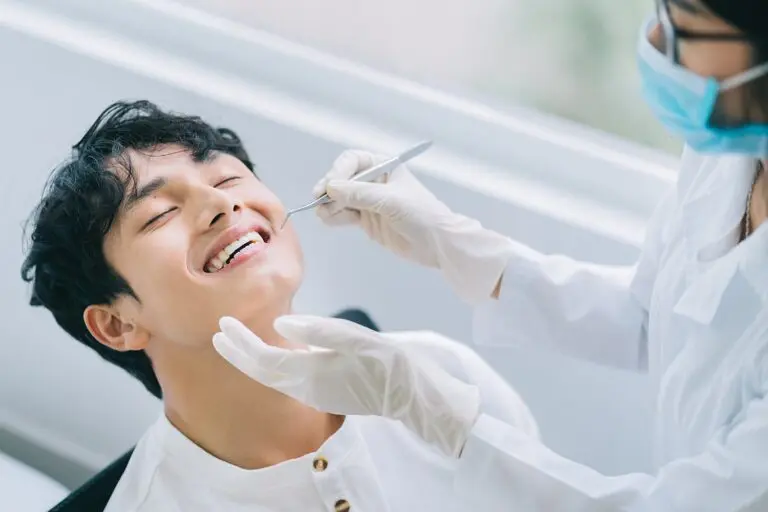
Your visit starts with a full check of every tooth, looking for any remaining glue or adhesive spots from the debonding process. The team uses light, safe instruments, never sharp blades or pins.
Step 2: Gentle Adhesive Removal
Next, specialized dental tools glide along the tooth surface to lift the adhesive without scratching the enamel. As Dr. Danielle Godley, a local orthodontist in Zionsville, IN, explains, using gentle, slow movements with the right tools is key to leaving your teeth smooth and bright after glue removal.
Step 3: Polishing and Smoothing
Once the adhesive is cleared, a soft rubber cup and polishing paste smooth the tooth surface, clear away any tiny remaining bits, and leave your smile feeling clean and looking bright.
Frequently Asked Questions
Is glue removal painful?
Glue removal is usually not painful. Most patients feel a light vibration or mild pressure as the adhesive is gently polished away. If you feel any discomfort, your provider can adjust the technique to keep you comfortable.
Can I eat right after my appointment?
In most cases, yes. Your teeth may feel slightly sensitive to hot or cold foods for a short time, so softer foods are a good choice at first, along with any specific instructions your provider gives you.
Why do my teeth feel odd after glue removal?
It’s normal for teeth to feel unfamiliar right after the glue is removed, since your mouth is adjusting to a new, smooth surface and your natural bite. This feeling is temporary and usually fades within a few days.
Can I remove leftover braces glue myself at home?
No. Home tools and remedies can scratch enamel, cause sensitivity, and often leave adhesive behind. Professional removal at a dental or orthodontic office is the only way to safely and fully clear the surface
What should I do if my teeth still feel rough weeks after glue removal?
If rough spots or discomfort continue well past your appointment, it’s worth having the team take another look. A quick follow-up visit is the right move, rather than trying to manage it on your own.
Sources. Clinical process description, doctor credentials, and cross-practice guidance provided by Bespoke Orthodontics, Burtonsville, MD, and Godley Family Orthodontics, Zionsville, IN.

Related Reading
Ready for a Smooth, Glue-Free Smile?
If your teeth feel rough after braces, the team at Bespoke Orthodontics in Burtonsville, MD can check your smile and walk you through safe, professional glue removal and aftercare.
Schedule Your Free Consultation
Free consultation for new patients in Burtonsville, MD.