Are you wondering, “Can Invisalign fix overbite in Burtonsville, MD?” Modern orthodontics offers solutions like Invisalign to correct mild to moderate jaw alignment and bite issues. This treatment improves your tooth alignment while maintaining a flexible, comfortable lifestyle. Invisalign aligners are clear, easy to use, and a favorite option for busy patients.
At Bespoke Orthodontics, teens and adults can explore Invisalign to correct overbites and other bite problems. This treatment doesn’t just fix functional issues but it also enhances confidence with a healthier, brighter smile.
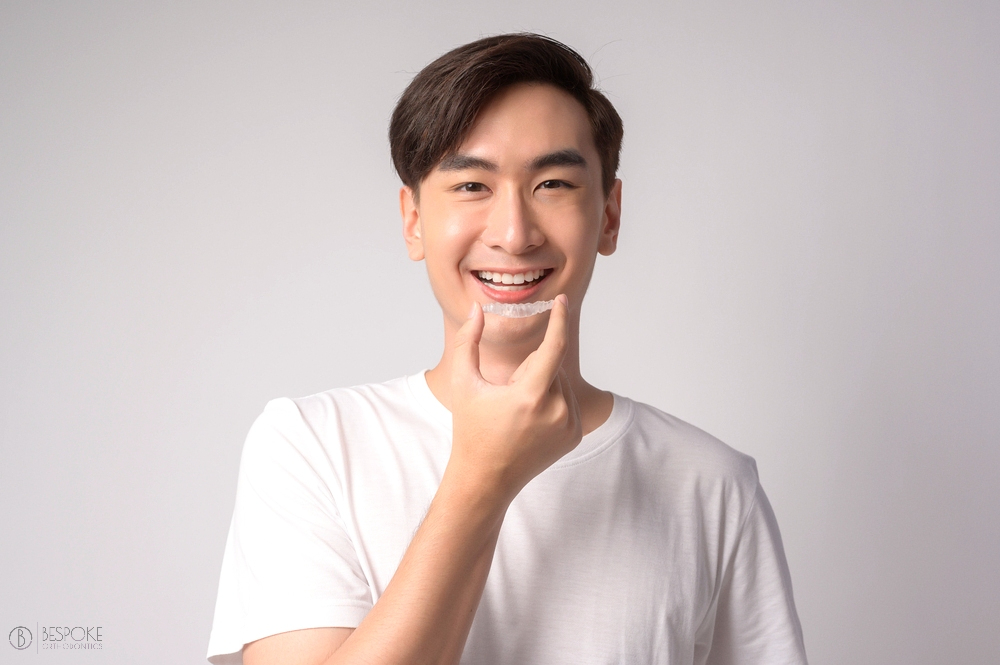
What Is an Overbite?
An overbite occurs when the upper teeth overlap the lower teeth too much. While a small overbite is normal, a deeper overbite may lead to:
- Bite problems like difficulty chewing and speaking.
- Jaw discomfort or even pain in the joint (TMJ).
- Tooth wear from excess pressure on the front teeth.
- Gum health issues and other oral health complications.
If your upper teeth hide most of your lower teeth when you close your mouth, an orthodontic assessment is essential. The sooner you address overbites, the lower your risk of long-term oral damage or complex treatments.
Common Causes of Overbites
Overbites can arise from several factors, including:
- Jaw issues, such as a small lower jaw that struggles to align with the upper jaw.
- Childhood habits like thumb-sucking or prolonged pacifier use.
- Genetics impacting jaw growth.
- Injuries leading to bite misalignment.
Addressing the case severity early with the right treatment option ensures safer and faster results. Invisalign is a clear and comfortable way to resolve many of these concerns.
How Invisalign Works
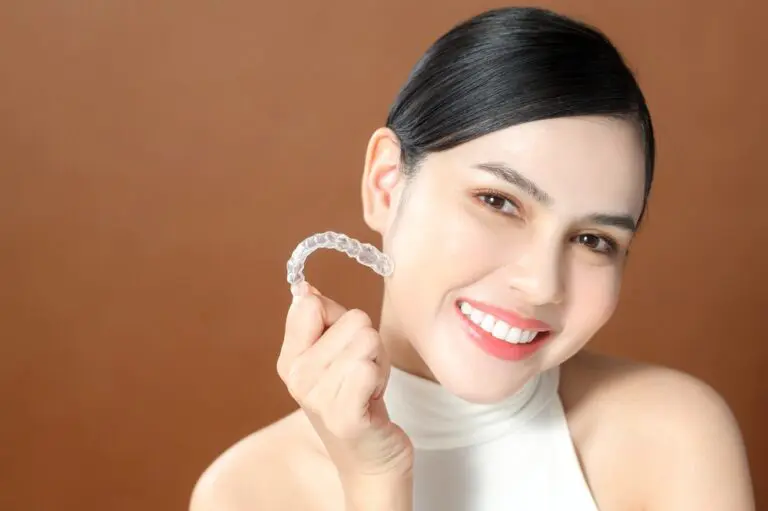
Invisalign treatment uses a series of clear aligners to shift teeth into better alignment gradually. Invisalign aligners are nearly invisible and fit snugly over your teeth. Here’s how the Invisalign process works:
3D Scans and Treatment Mapping
Digital imaging creates a custom treatment plan that outlines tooth movement and the treatment timeline. This helps your orthodontist see how your teeth will move at each stage. You’ll also get a preview of your future smile before treatment even begins.
Aligner Fitting
Each set of aligners is tailored to your teeth. According to Dr. Natalia Hodge, a professional orthodontist in Little Rock, AR, a proper fit ensures that aligners apply consistent, gentle pressure to gradually improve bite alignment.
Attachments and Elastics
Small attachments may help aligners grip teeth more securely. Rubber bands are sometimes used to improve jaw position and bite function. These tiny parts guide your teeth into the right spots with steady pressure. They’re easy to remove and won’t affect how you talk or smile.
Bite Turbos
These small tools help open your bite to reduce deep overbites and protect teeth from wear. Bite turbos also make it easier for your teeth to move into their correct position. They may feel strange at first, but most patients get used to them quickly.
Progression Through Trays
Typically, you’ll switch aligners every 1–2 weeks. Changes are carefully planned for step-by-step improvement. Each new set continues the gentle movement of your teeth toward the ideal position.
How Long Does Invisalign Take to Fix an Overbite?
The time required for Invisalign treatment depends on the severity of the overbite. Patients with mild or moderate issues typically see results within 6 to 18 months. Complex cases may take longer and require additional refinements.
Treatment Duration Tips:
- Wear aligners for 20–22 hours a day for the best progress.
- Attend regular progress checks every 6–10 weeks to ensure teeth are moving properly.
- Follow your treatment plan, as compliance significantly affects the timeline and results.
Your orthodontist may adjust your treatment steps to keep everything on track and aligned with your smile goals.
Why Invisalign Fits Busy Lifestyles
Invisalign is perfect for people with active lives in Burtonsville, MD. Here’s why so many patients choose it:
- Discreet Look: The clear aligners are barely noticeable, making them a great option for professionals and students.
- Removability: You can take them out during meals or special occasions, which makes brushing, flossing, and eating convenient.
- Fewer Appointments: Invisalign typically requires fewer in-office visits than braces.
- Comfort: Smooth aligners are gentler on your gums and cheeks compared to metal brackets.
Whether you’re balancing work, school, or family, Invisalign makes orthodontic care easier than ever. As Dr. Karl Lugus, a highly recommended pediatric dentist in Cumming, GA, notes, many active families like that kids can play sports and eat most foods with fewer limits when they follow the aligner rules.
Braces vs. Invisalign
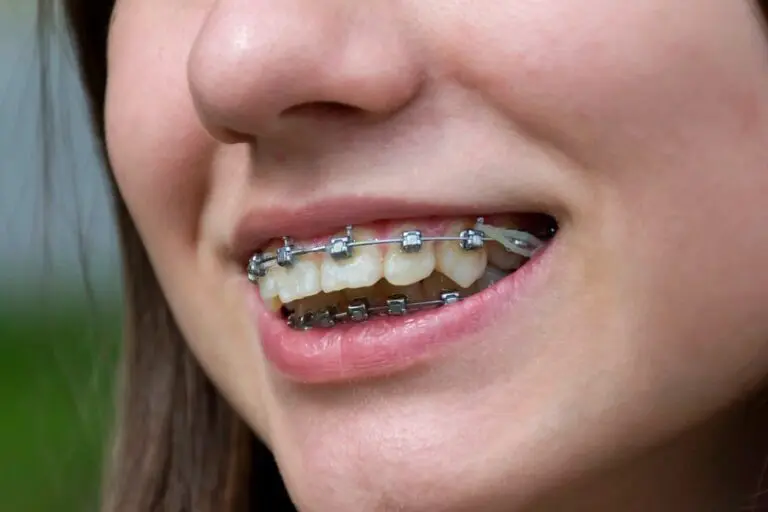
Both Invisalign and traditional braces are effective for overbite correction, although they cater to different needs.
Invisalign
Invisalign is perfect for mild to moderate bite issues. It works well for patients who value convenience and aesthetics since the aligners are nearly invisible and removable. Invisalign requires patient commitment to the wear schedule for the best results.
Braces
Braces are better suited for severe jaw alignment problems or case severity that requires precise control. Fixed brackets don’t depend on compliance, making braces ideal for younger patients. In some cases, braces may address extreme malocclusion or bite correction more quickly than Invisalign.
Invisalign Treatment Process
Starting Invisalign treatment is simple and stress-free. Here’s what you’ll experience at Bespoke Orthodontics:
Step 1: Initial Consultation
You’ll meet your orthodontist to talk about your smile goals and what you’d like to improve. Then, your teeth will be scanned using detailed 3D imaging. This helps your orthodontist create a precise plan that fits your needs.
Step 2: Customized Treatment Plan
You’ll receive a clear, step-by-step plan showing how Invisalign will move your teeth into place. Your orthodontist will also explain how long treatment will take and if any bite refinements are needed to reach your best results.
Step 3: Wearing Aligners
You’ll wear your aligners for 20–22 hours each day and take them out only for eating or brushing. Every 1–2 weeks, you’ll switch to the next set of trays as directed by your orthodontist. This keeps your treatment on track and your teeth moving as planned.
Step 4: Progress Monitoring
You’ll visit your orthodontist every 6–10 weeks for check-ups. During these visits, your orthodontist will track your progress, make small adjustments if needed, and ensure your treatment stays on course.
After Treatment: Maintaining Your Smile
Once you finish Invisalign, retainers are vital to keeping your teeth aligned. Without retainers, teeth may shift back to their original positions.
Follow these tips to maintain your results:
- Wear your retainers full-time at first, then switch to night use as directed.
- Brush, floss, and use clear retainers to safeguard your teeth.
- Clean your retainer daily with cool water and mild soap.
- Schedule checkups to monitor your oral health and ensure your results last.
Is Invisalign Right for You?
Invisalign works for most teens and adults with mild or moderate bite issues. For severe cases, braces might remain the better choice.
Contact Bespoke Orthodontics in Burtonsville, MD, to discuss whether Invisalign suits your needs. Our team ensures you receive the right treatment to achieve both health and confidence.
Invisalign Cost and Payment Options
The cost of Invisalign depends on case severity and treatment duration. On average, costs range between $3,000 to $8,000. At Bespoke Orthodontics, we work with you to make treatment affordable:
- Insurance Coverage: Many plans cover part of Invisalign’s cost.
- Flexible Payment Plans: We offer financing that fits your budget.
- HSA/FSA Benefits: Maximize tax savings to offset treatment costs.
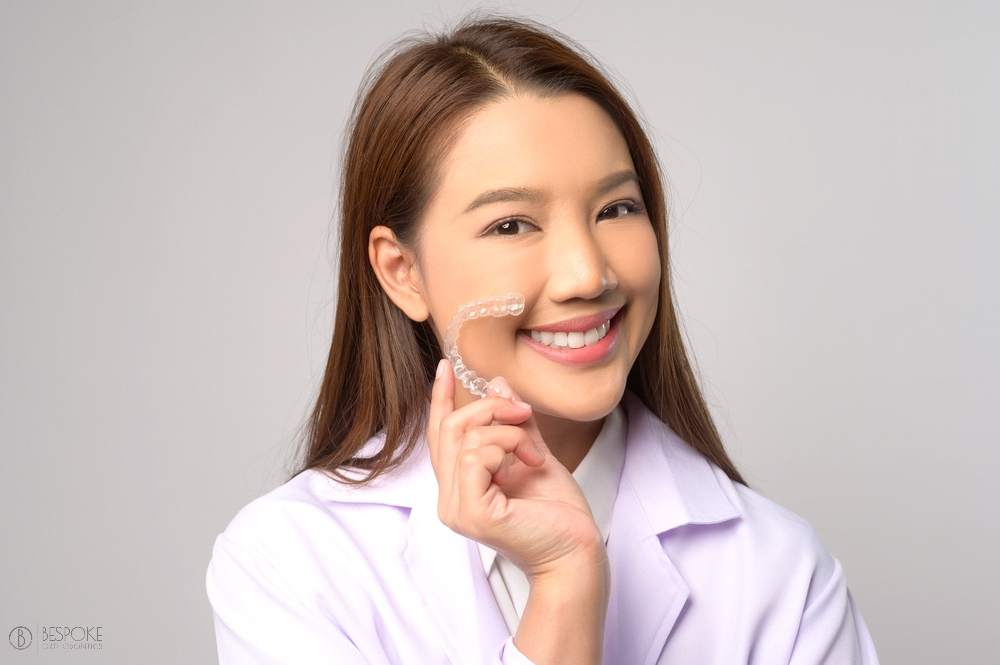
Transform Your Smile with Invisalign at Bespoke Orthodontics
Choosing Invisalign at Bespoke Orthodontics offers you the expertise needed to ensure comfortable, precise, and lasting results. Whether you’re focusing on overbite correction, addressing malocclusion, or improving everyday hygiene, our team is here to help you succeed. Schedule a consultation today to start your journey toward a healthier, happier smile!
About the Authors
Dr. Latoya Callahan – Orthodontist in Burtonsville, MD
Dr. Natalia Hodge – Orthodontist in Little Rock, AR
Frequently Asked Questions
Can Invisalign completely fix an overbite?
In many cases, Invisalign can fix an overbite! These clear aligners have come a long way and can handle many bite and alignment problems. For mild to moderate overbites, Invisalign usually works really well, slowly moving your teeth into the right spot. For more serious cases, though, your dentist might suggest combining Invisalign with other treatments or using braces instead.
How to get Invisalign cheap?
First, check if your dental insurance covers orthodontic care; some plans cover part of the cost. If not, see if your dentist offers payment plans or discounts for paying upfront. You can also look into dental discount programs or flexible spending accounts to save money. Dental schools sometimes offer Invisalign at lower prices too. And don’t forget to look out for special deals or seasonal promotions.
Can I brush my Invisalign?
Yes, absolutely! You should brush your Invisalign aligners every day to keep them clean. Use a soft toothbrush and lukewarm water to gently scrub them. Skip toothpaste, it can scratch the plastic. If you want a deeper clean, try using mild soap or Invisalign cleaning crystals. Just rinse them really well before putting them back in your mouth.